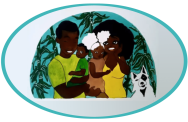
Train up a child in the way he should go: and when he is old, he will not depart from it.
Proverbs 22:6
Food for thought.
The bible makes it very simple. Teach your child how to be polite, honest, empathic responsible and obedient when they are young and even when they are old, they will still practice these habits.
It might take some time for some parents, but for some it is a natural process and that is largely due to their upbringing.
Courtesy is a very simple habit. It is basically nothing more than the simple words such as, “please,” “thank you,” “good morning and “good afternoon.” There is no excuse for impoliteness. Parents should not allow the pressures of life to interrupt the display of good manners. Having good manners is simply showing respect for others. Our children should be taught how to respect others.
Young children have the ability to absorb information very early. Every time your children are near you, they are watching what you do and listening to what you say. This is why it is such a good idea to practice good manners yourself.
If your child hears you say “please” and “thank you,” then they will begin to model their behavior after you. When you child hands you something or does something nice, you can say “thank you” to your child to show them that it is important to be polite to everyone.
After making a conscious effort to exhibit graceful behavior, it will start to come very naturally and your child will recognize this. Setting a positive example is the only way to show your child how easy it is to be courteous in any situation (Amer).
Nona Melnic, principal of Montessori Children’s House, Center for Parenting Education states,
There is more to teaching manners than just words. Gratitude and politeness are valued traits in our culture. When children express their appreciation for things that are done for them: They feel better about themselves. They begin to see themselves as recipients rather than takers. They develop a sense of empathy as they recognize that other people are going out of the way for them. Along the way remember to acknowledge them when they do use proper manners: catch them being ‘good’ because they will repeat the behavior you notice.
Listed below are a few tips from David Lawry, PHD. 25 Manners Kids Should Know. July 14, 2015.
- “Excuse me,” – To get someone’s attention.
- If you have a doubt about doing something, ask permission first.
- Do not interrupt grown-ups when they are speaking with each other unless there is an emergency. They will notice you and respond when they are finished talking.
- When receiving something say thank you.
- When asking for something say please.
- When people ask how you are, tell them and then ask how are you.
- Knock on closed doors and wait to see if there is a response before entering.
There are many adults who for one reason or another don’t practice these very basic polite words.
It is time to make an effort to start practicing being polite.
Parents are the most powerful role models for their children, so you need to lead by example.
Parents should practice good manners and courtesy to allow children to become self-confident adults.
Works Cited
Amer, Yasmin. Teaching Your Kids Kindness May Help Them Succeed Later on in Life. Kind World. July 21, 2020. https://www.wbur.org/kindworld/2020/07/21/kids-kindness
Melnic, Nona. Teaching Children Manners. The Center for Parenting. https://centerforparentingeducation.org/library-of-articles/baby-through-preschool-articles/teaching-children-manners/
Lawry, David. 25 Manners Kids Should Know. Parents. (2015). Retrieved 2021. https://www.parents.com/kids/development/social/25-manners-kids-should-know/
